Commercial Asphalt Sealcoating for Fort Myers Parking Lots
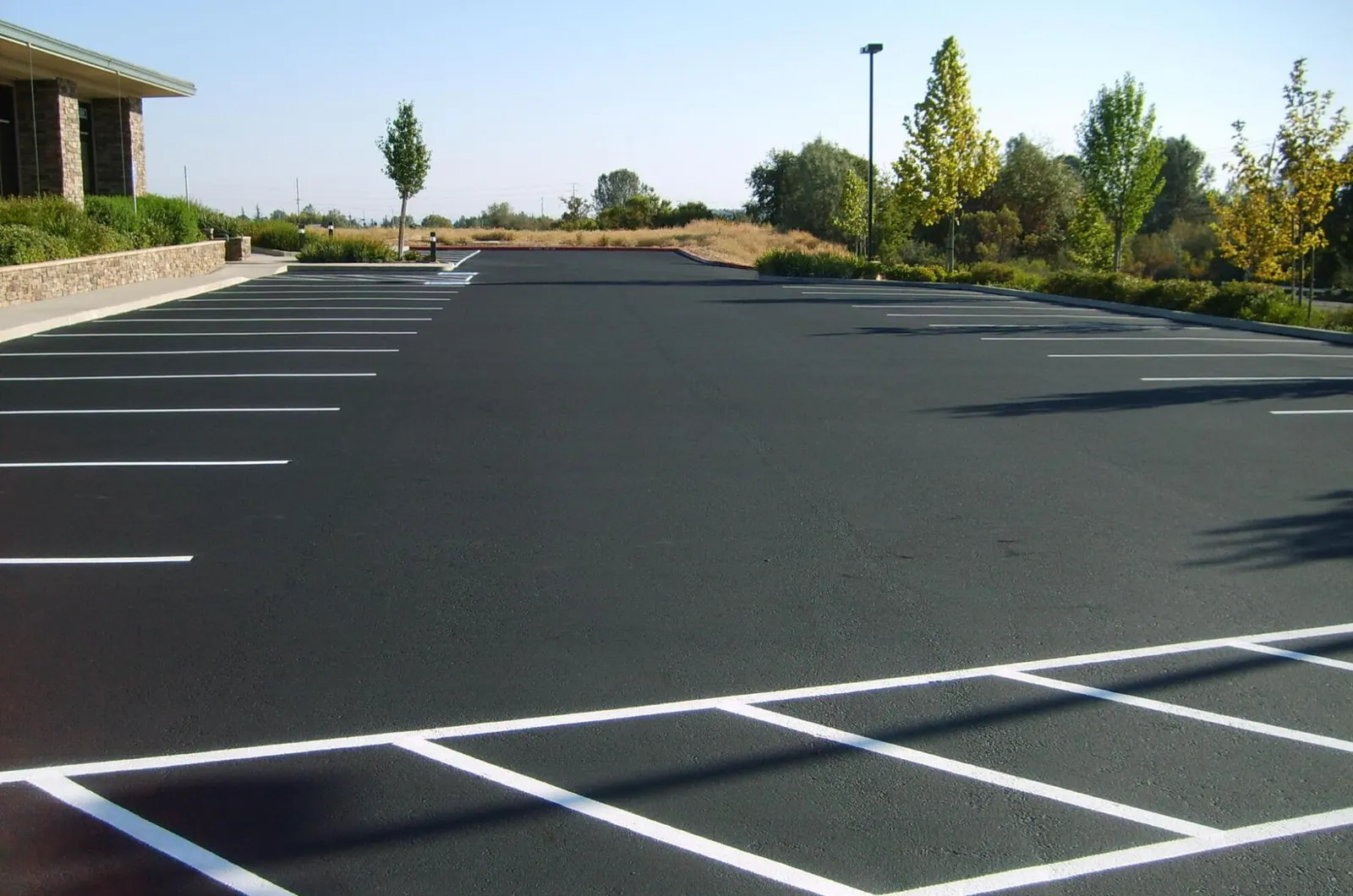
Commercial sealcoating contractors in Fort Myers can protect a parking lot's surface, but only when the pavement underneath is still sound. A walk of the lot tells you which case you have. Faded, dry-looking asphalt with light hairline cracks is usually a sealcoating candidate. Sunken spots, wide cracks and loose chunks usually mean repair or resurfacing comes first.
What sealcoating can and cannot fix
Sealcoat is a thin protective layer applied over the asphalt surface. It slows oxidation (the sun-driven drying that turns black pavement gray), helps shed water and fuel drips, and gives the lot a uniform look. It does not rebuild the base, which is the compacted stone layer that carries the weight of vehicles.
If the base has failed, the surface above it will keep cracking and sinking no matter how fresh the coating looks. Sealcoat over that kind of damage tends to hide the problem for a short time and then peel or crack along the same lines. That is why the first job is sorting surface wear from structural damage.
| What you see | What it usually means | Typical next step |
|---|---|---|
| Gray, faded surface with fine hairline cracks | Surface oxidation and normal wear | Crack filling, then sealcoating |
| Loose stone or grit collecting in drive lanes (raveling) | Binder, the glue holding the stone together, is breaking down | Contractor assessment, since severity varies |
| Interconnected cracks that look like alligator skin | Base or subgrade problem under the surface | Repair or resurfacing before any coating |
| Dips or birdbaths that hold water | Settled pavement or drainage problem | Patching or regrading, then reassess |
| Potholes or crumbling edges | Surface failure that has reached deeper layers | Patch or replace sections first |
What to look for during a lot inspection
Walk the whole lot, not just the entrance. The area customers see first is often the best-kept part, while rear lanes and loading zones take the worst of the traffic. Bring a phone for notes and a tape or a pace count for rough locations.
- Faded or worn areas. Gray patches are normal aging. Bare, rough patches where the surface texture has worn away deserve a closer look.
- Loose surface material. Scuff the pavement with your shoe in a few spots. If stone comes up easily, mention it to the contractor.
- Cracks. Note whether they are hairline or wide enough to fit a coin edge, and whether they run in single lines or link up into patterns.
- Standing water. Look for stains, algae or damp patches that show where water lingers after rain.
- Oil and fuel spots. Soft, discolored areas near pickup lanes and dumpster pads can need special prep.
Then ask whether the damage is isolated or spread. A few failed patches near a drain are a repair item. Damage running through travel lanes and several rows of parking spaces points to a bigger conversation about the pavement as a whole.
How Florida weather affects surface checks
Rain is the weather factor that matters most when you inspect a Florida lot. Summer storms are frequent across the Gulf Coast, and by October a lot often carries the evidence: water stains, algae film and damp low spots show where drainage falls short. Check after a rain if you can, because a dry lot hides those problems.
Sun and traffic add their own wear, and not evenly. Drive lanes, turning areas and spaces near the entrance often age faster than shaded spots or the back edge. Look at several parts of the lot, and visit in low morning or evening light, which makes rough texture and small dips easier to see.
If you manage property in Fort Myers, Sarasota or North Port, the same checklist applies. What changes is your own site: if the lot sits low, drains toward a corner or sits under heavy tree cover, expect water and debris to be a larger part of the picture. Those are conditions to check on your property, not assumptions about any one town.
What to document before requesting a scope
A contractor can price and plan faster when you hand over clear notes. A short written record also keeps a bid from covering only the most visible area.
- List each worn or damaged area with a rough location, such as near the main entrance, along the rear lane or at the dumpster pad.
- Note whether each problem is isolated or repeats across lanes and spaces.
- Mark any drainage concerns, including where water stands and how long it stays after a storm.
- Record heavy traffic points like delivery routes, so the contractor knows where wear is concentrated.
- Ask directly whether sealcoating fits the pavement's condition or whether repairs or resurfacing should come first.
That last question matters most. A good contractor will tell you if the lot needs more than a coating. If the answer involves patching or replacing worn sections, you may be looking at parking lot paving work or a larger commercial paving scope, and it is better to learn that before the coating goes down.
Send us your notes and we will walk the lot and tell you what it needs. A Free Estimate covers the whole lot, not just the worst corner.
Common questions
How do I tell if a parking lot needs sealcoating?
Look for gray, faded asphalt, a dry or rough surface texture and fine hairline cracks. If the cracks are wide, linked together or the surface is sagging, repairs probably need to come before any coating.
What should I check before sealcoating a parking lot?
Check for standing water, loose stone, wide cracks and soft spots, and record where each one is. Share those notes with the contractor so the scope covers the full lot.
Can commercial sealcoating fix a failing base?
No. Sealcoating protects the surface but does not strengthen the base underneath. Base damage usually calls for patching, repair or resurfacing first.
Areas we serve
Our services
Have a question about your project? Call (866) 599-6697