When to Schedule Asphalt Sealcoating in Southwest Florida
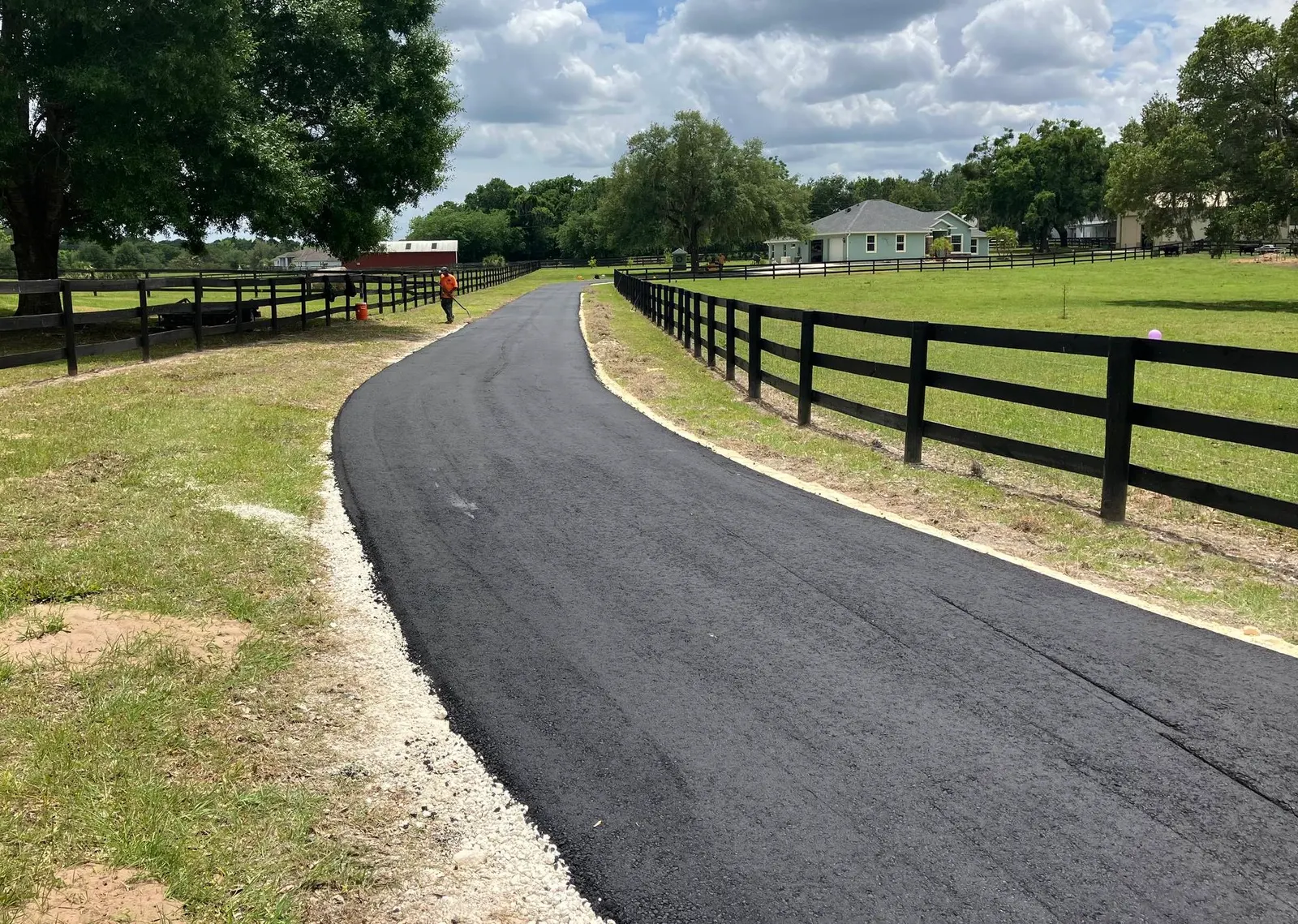
The best time to sealcoat asphalt in Florida is a stretch of dry days when the pavement is clean, the forecast is clear through the curing period, and the surface is sound enough to be worth coating. In Southwest Florida, October and November often offer that kind of stretch, but a calendar month is not a promise. The forecast for your job site decides the date.
What weather sealcoating needs
Sealcoat (a thin, black protective coating applied over asphalt) bonds best to pavement that is clean and dry. Moisture on or in the surface can interfere with adhesion, and a heavy downpour before the material cures can wash out or streak the finish. That is why the forecast for both the application day and the curing period matters.
Humidity matters too. Florida air can hold a lot of moisture, which slows drying even when no rain falls. A cloudy, damp day may be a poor candidate even if it is technically dry.
- Pavement swept clean of dirt, leaves and debris
- Surface dry, with no standing water in low spots
- No rain in the forecast through the cure period
- Enough drying time for the coating to set before traffic returns
Ask the crew what conditions and cure time they need for your specific job. Different products and different thicknesses of application can call for different waiting periods.
Check the pavement before setting a date
Sealcoating protects a surface that is still in good shape. It does not repair widespread cracking, soft spots or a failing base (the supporting layer under the asphalt). If the pavement is already breaking apart, coating over it may temporarily obscure the damage without addressing the underlying problem.
A sound surface with light wear, minor hairline cracks and some fading is a good candidate for asphalt sealcoating. Pavement with alligator cracking (a web of connected cracks), sunken areas or crumbling edges usually needs asphalt resurfacing or deeper repair first. On a residential drive, that decision is often the difference between a quick maintenance job and a full asphalt driveway paving project.
| What you see | Likely fit |
|---|---|
| Faded color, light surface wear, few small cracks | Sealcoating |
| Many connected cracks, rough texture, loose stone | Assessment, likely resurfacing |
| Soft spots, sagging or standing water that returns | Possibly base repair or replacement |
If you are unsure which row describes your pavement, have it assessed before you schedule. Booking sealcoating on an unsuitable surface may waste time and money.
What October and November weather means in Southwest Florida
Florida's Gulf Coast summers usually run hot, humid and wet, with daily storms common from June into September. The Atlantic hurricane season also runs through November, so a tropical system can still disrupt a schedule late in the year. October often stays warm and can still be showery, while November tends to shift toward drier air. That pattern is general, and any given week can break it.
For a lot in Fort Myers, Cape Coral, Bonita Springs or Naples, use the forecast for the job location rather than a typical seasonal pattern. A coastal afternoon shower can hit one side of town and miss the other.
A few site conditions also change the answer:
- Shade from trees can keep pavement damp longer in the morning.
- Low spots that hold water after a storm need extra drying time.
- Lots near irrigation heads may need the sprinklers turned off before and after the job.
Keep your schedule flexible. If wet weather shows up in the forecast, moving the job a few days is a better call than coating damp pavement.
Confirm the work window and next steps
Before you commit to a date, ask how the crew will confirm the surface is dry and conditions are suitable before coating starts. A good answer covers cleaning, a check of low areas and a look at the forecast that morning.
Plan for the recommended time without vehicle traffic while the sealer cures. Many crews ask for roughly 24 to 48 hours before driving on it, but the right number depends on the product, the weather and the thickness applied. Park on the street or elsewhere, and keep foot traffic, pets and bikes off the surface too.
If you want a firm answer on timing and on whether sealcoating or resurfacing fits your pavement, ask us for a Free Estimate. Ask whether a surface assessment is included before discussing a date.
Common questions
How long after sealcoating before driving on it?
Many crews ask for 24 to 48 hours, though humidity, shade and product choice can stretch that. Your crew should give you a specific time for your job and tell you when the surface is ready.
What is the best time to sealcoat a driveway in Florida?
Look for several dry days in a row rather than a specific month. In Southwest Florida, October and November often bring drier stretches than summer, but check the forecast for your address.
Can you sealcoat asphalt if it rained the day before?
Only if the pavement has fully dried, including low spots and shaded edges. Damp asphalt can keep the coating from bonding, so a crew may delay the job even when the sky looks clear.
Areas we serve
Our services
Have a question about your project? Call (866) 599-6697